Introduction
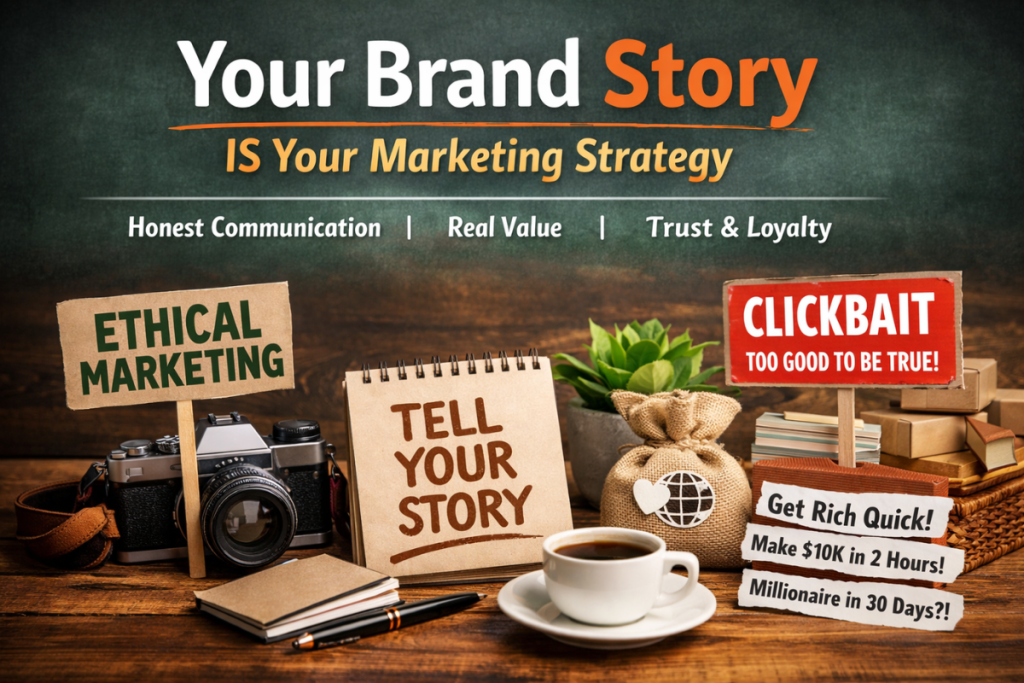
Most retail marketing advice pushes urgency and sensational promises — like “Do this and make $10k in 2 hours” or “I went from broke to rich in 30 days.”
These aren’t just exaggerated; they’re manipulative and destroy trust.
Ethical marketing rejects clickbait and focuses on honesty, real value, and meaningful connections. In this article, you’ll learn what ethical marketing is, why it matters in the retail industry, and how authentic storytelling becomes your most powerful strategy.

What Is Ethical Marketing?
Ethical marketing is a philosophy and strategy that centers on promoting honesty, fairness, and responsibility across all marketing actions. Whether in retail business or online content, ethical marketing influences research, customer segmentation, campaign messaging, and communication.
Consumers increasingly search questions like:
-
“What is ethical marketing?”
-
“Why trust matters in retail marketing?”
-
“How can ethical fashion brands stand out?”
Providing clear, honest answers positions your brand for voice search visibility.
Examples of Unethical Marketing
Clickbait headlines and exaggerated promises often dominate retail marketing content, but they mislead customers and erode credibility.
Common unethical examples include:
-
“Do this and make $10k in 2 hours”
-
“Go from $1 to a million dollars overnight”
-
“I went from broke to rich in 30 days”
-
“Give me 20 minutes and I will make you insanely rich with AI”
Most of these blog posts and videos are surface‑based, click‑bait content with fast‑money claims and no real substance. They might attract clicks, but they destroy trust in your brand — the very thing ethical retail marketing seeks to build.
Examples of Ethical Marketing Content
Here are examples of ethical marketing that build trust, serve customers, and create real value:
The Honest Company: Ethical Retail Marketing in Action
Founded by Jessica Alba in 2012, The Honest Company focuses on safe, responsible products for babies and homes. Their email and content marketing reflects transparency, care, and value — not hype or manipulation.
Some examples of their ethical content include:
-
The 50 Best Christmas Gift Ideas for Mom (+ All New Parents!) in 2025
-
2025 Fall/Winter Coloring Sheets
-
Q&A with [Blogger Name]: Honest Faves & Beauty Tips
These aren’t clickbait; they help customers make informed choices, connect with the brand’s values, and feel genuinely supported.
Core Principles of Ethical Marketing
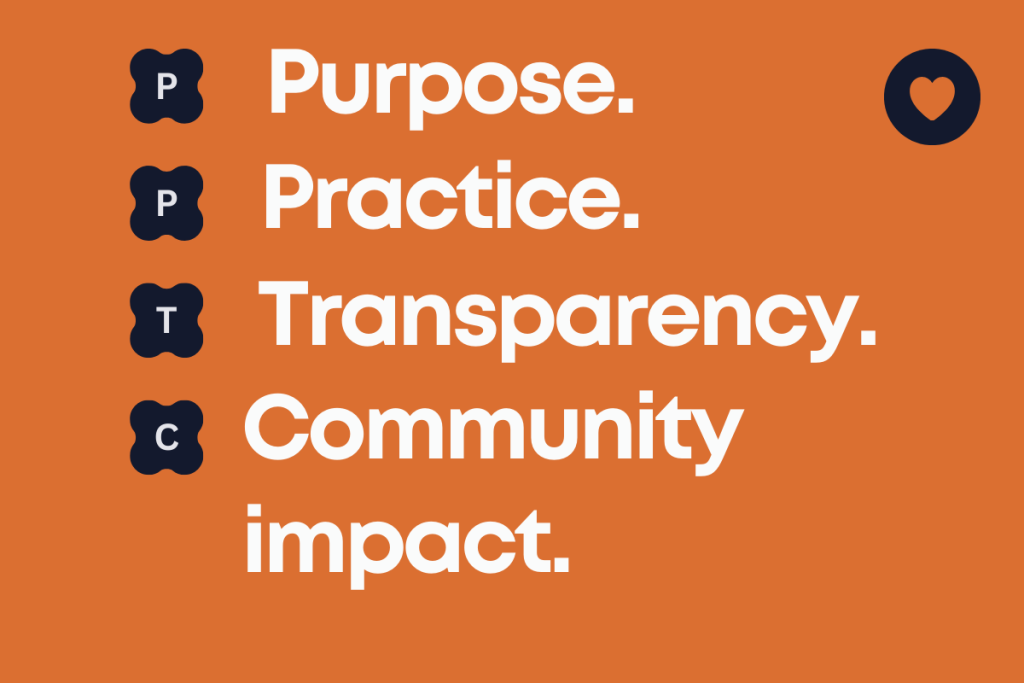
Purpose
Your brand should stand for something, not just sell anything.
Ask yourself:
-
Why does my retail business exist?
-
What social or environmental values do we champion?
Practice
Your marketing actions must reflect your brand values — from product claims to advertising.
Transparency
Customers want clarity about product availability, pricing, materials, and impact.
Community Impact
Ethical marketing isn’t merely about profit — it’s about contributing positively to society, whether through job creation, sustainability, or support for causes that align with your brand values.
Why Artificial Scarcity and Gimmicks Fail
Fake urgency and manipulation — such as phony limited stock warnings — might spike temporary traffic, but they damage trust.
Instead, brands can use real urgency like seasonal releases, limited batches with honest disclosure, and meaningful product narratives.
Brand Storytelling: The Heart of Ethical Marketing
Your audience doesn’t want another gimmick. They want to know:
-
Who you are
-
Why you created your product
-
What you stand for
-
Who you serve
This kind of storytelling naturally nurtures loyalty and connection — and answers the voice search queries consumers are asking.
Consistency Over Complexity
There’s no shortcut to building trust. Instead, focus on systems that support ongoing value:
-
Email sequences that nurture relationships
-
Content pillars that reinforce your brand story
-
Strategic collaborations woven around shared values
-
Community engagement that listens and responds
These sustainable efforts outperform fleeting algorithm tricks or “hack‑based” tips.
Real‑World Brand Examples
Conscious Fashion Brands
Winning ethical fashion brands today aren’t chasing viral trends. Instead, they:
-
Reveal their supply chain
-
Introduce the makers behind their products
-
Stand for something bigger than sales
This builds long‑lasting loyalty that endures algorithm changes.
Bold Ethical Stands That Work
When brands authentically align with social causes, they forge deeper connections.
For example, when a major sports apparel company partnered with a social activist, it not only weathered backlash but also saw increased engagement and online growth — demonstrating how ethical stands can resonate with audiences.
How Ethical Marketing Drives Lasting Growth
Ethical marketing helps retail brands:
-
Build trust and loyalty rather than short‑term clicks
-
Improve brand reputation and customer retention
-
Rank for relevant voice search phrases related to business ethics, ethical marketing, and retail industry questions
-
Thrive organically without overreliance on manipulative tricks
Voice Search Optimization Tip
Framing content around natural questions — such as:
-
“What is ethical marketing in retail?”
-
“How can retail brands build trust?”
-
“Why does brand storytelling matter?”
— helps your content show up in voice assistants and answer engines.
Conclusion
Marketing doesn’t have to be complicated — but it does require intention, honesty, and consistency.
Instead of fake scarcity and clickbait, focus on:
-
Authentic brand storytelling
-
Ethical marketing rooted in transparency
-
Actions that align with your values
That’s how you build a retail business that wins trust — and lasting success.
Leave a Reply