Introduction: The Question People Always Ask
I often get asked, “How do you do it?”
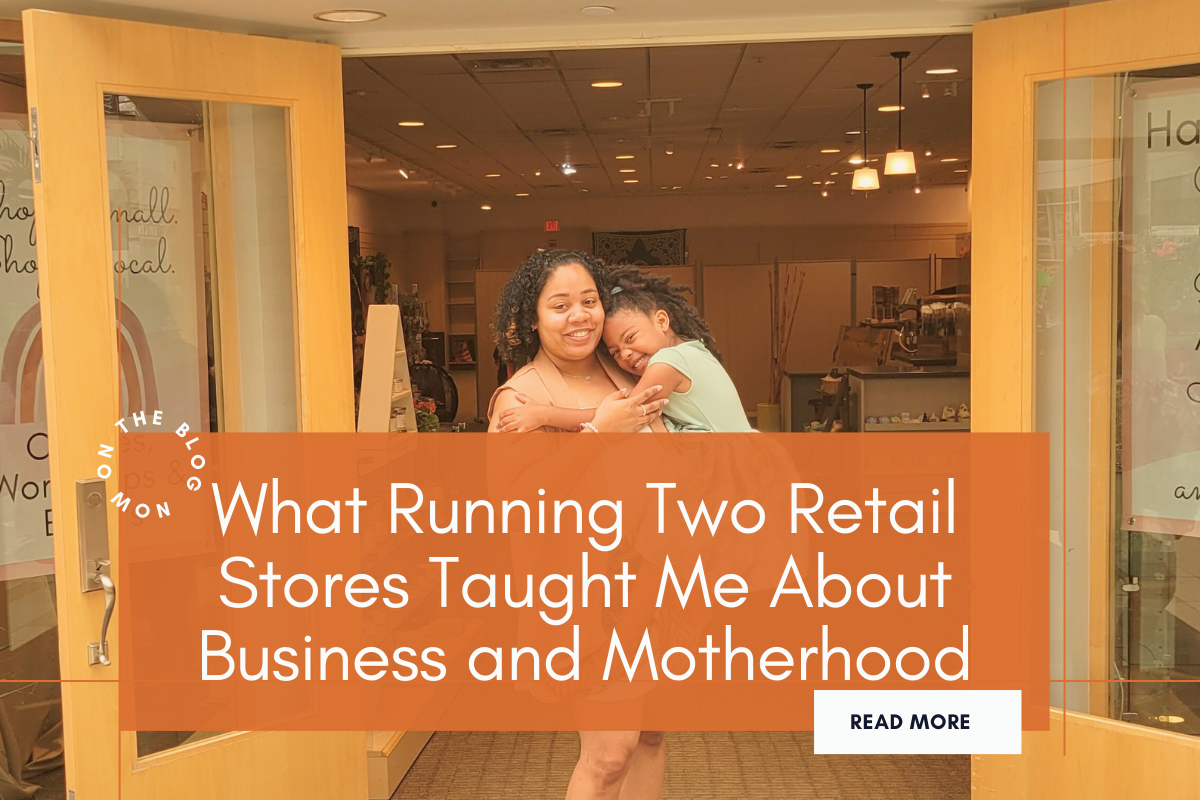
I’m a full-time mom, a former retail store owner, a product maker, and a woman who built businesses from scratch while raising a child. From the outside, it probably looked impressive. Two retail stores. Handmade products. A growing team. Consistent sales.
Here’s the part people don’t see.
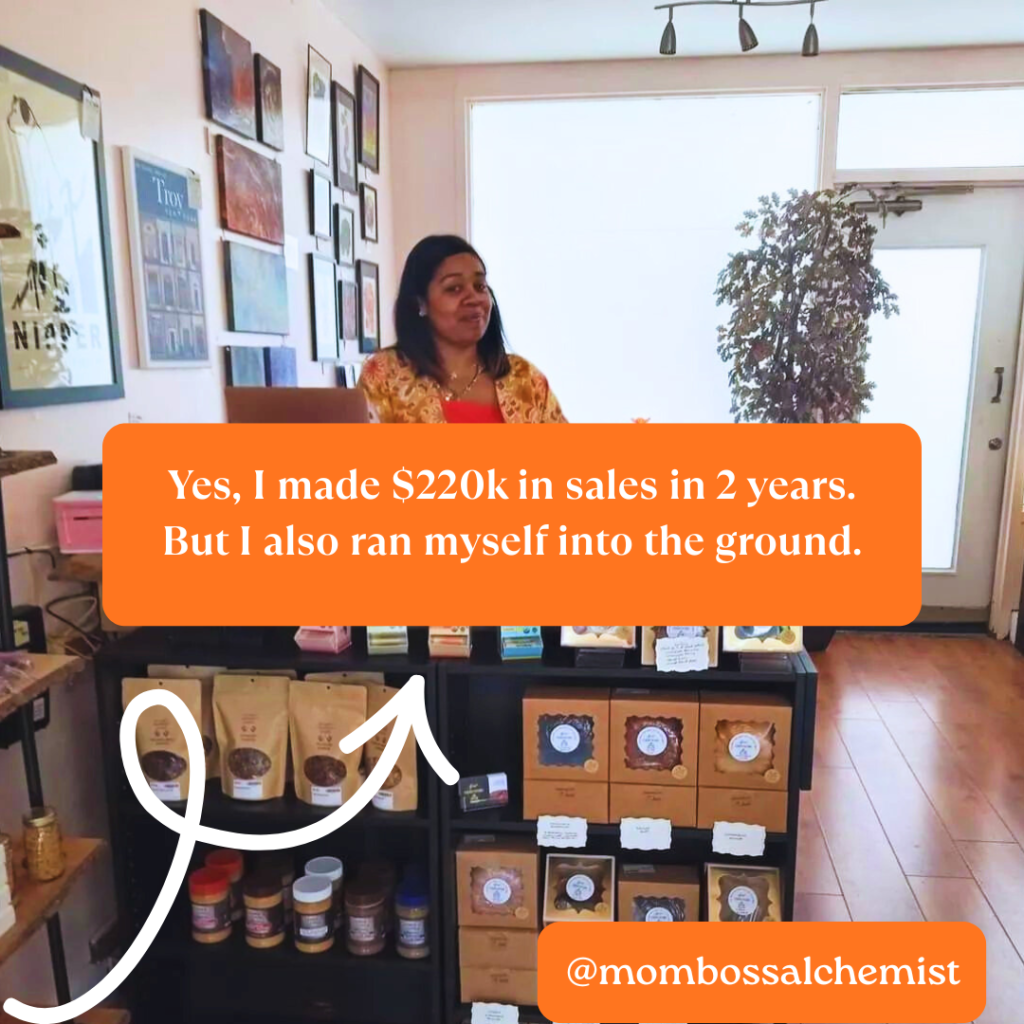
In just two years, I generated $220,000 in revenue. But behind the scenes, I was exhausted, overwhelmed, and running on fumes. I managed a team of three employees, worked long retail hours, handled marketing myself, and tried to be fully present at home. Eventually, something had to give.
And it did.
I shut it all down.
Not because I failed—but because I learned some hard lessons about growth, systems, health, and motherhood that I wish someone had told me earlier.
If you’re balancing a 9-to-5, motherhood, and entrepreneurship—or you’re running a retail business without real support—I want to share what I learned so you don’t have to repeat my mistakes.
Stop Winging It: Why “Just Posting Daily” Is a Fast Track to Burnout
In the early days of my retail business, I wore every hat. Owner. Buyer. Marketer. Merchandiser. Customer service. Content creator.
My marketing strategy? Post when I remembered.
No content calendar.
No batching.
No automation.
Just me, my phone, and an unhealthy relationship with caffeine.
At the time, I thought I was being “hands-on” and “authentic.” What I was really doing was leaking time—hours that could’ve been used for strategy, inventory planning, financial reviews, or rest.
Retail doesn’t just demand your time during business hours. It follows you home. And when marketing lives entirely in your head, it never shuts off.
What I Should Have Done Instead
Looking back, this is where systems would have changed everything:
-
A simple content calendar instead of daily decision-making
-
Batching posts weekly or bi-weekly
-
Using automation tools instead of manual posting
-
Delegating basic tasks to a virtual assistant
-
Using AI (yes, even then) to outline posts, captions, and emails
This wasn’t about losing creativity. It was about reducing friction.
Lesson: Automate what drains you. Time saved on small, repetitive tasks compounds into bigger wins—financially and mentally.

Crawl Before You Run: The Real Cost of Scaling Too Fast
I didn’t plan to open a second retail store.
A sales rep showed me a mall location. It was busy. It was exciting. It felt like validation. And instead of checking my numbers or revisiting my long-term plan, I said yes.
That decision changed everything.
I abandoned my original three-year growth plan, underestimated operating costs, and ignored one critical rule of retail: cash reserves matter more than confidence.
Yes, opening a second store increased visibility and short-term sales. But it also meant:
-
Double rent
-
Double utilities
-
Double inventory risk
-
Double staffing challenges
-
Double time away from home
Growth without infrastructure is just stress in disguise.
What Sustainable Growth Actually Looks Like
Scaling a retail business responsibly means asking harder questions before saying yes:
-
Can my cash flow support this for 6–12 months?
-
Are my systems documented, or do they live in my head?
-
Do I have leadership capacity, not just ambition?
-
Does this expansion align with my life priorities, not just revenue goals?
I skipped those questions. And the business paid for it.
Lesson: Shiny opportunities aren’t strategy. Stick to your growth plan, protect your cash, and scale only when your foundation is strong.
Hustle Without Health Is a Trap (And It Will Catch You)
This is the part I didn’t expect.
My health collapsed before my business did.
I developed diabetes—not from genetics, but from neglect. Long days, inconsistent meals, constant stress, and zero recovery time caught up with me. I told myself I’d slow down after the next milestone.
That moment never came.
The irony? I’ve always talked about self-love. I even wrote a book about it. But in practice, I was treating my body like a machine instead of a system that needs care.
Hustle culture doesn’t warn you when you’re nearing the edge. It just applauds your productivity until you burn out completely.
Systems Aren’t Just for Business—They’re for You
What I know now is this: systems aren’t about control. They’re about protection.
-
Protected time for meals
-
Protected sleep
-
Protected boundaries around work hours
-
Protected mental space
If your business requires you to neglect your health to survive, the business model is broken—not you.
Lesson: Your health is your real wealth. Build systems that prioritize your energy, not just your income.
The Lifestyle Check: Is Your Business Supporting the Life You Want?
One of my favorite memories is my daughter sitting in the store with me—coloring, organizing displays, watching customers come and go. It sparked her creativity, and those moments mattered.
But there’s another side to that story.
She missed dance classes.
We left events early.
Some nights were long and exhausting for both of us.
I started my business for three reasons:
-
Flexibility
-
Time with my child
-
Impact
Somewhere along the way, I focused only on impact—and sacrificed the other two.
A Hard Question Every Business Owner Needs to Ask
Ask yourself honestly:
-
Does my business give me time freedom, or just more responsibility?
-
Am I building something that fits my life now, not just a future version of it?
-
Would I design this business the same way if I were starting today?
A successful business that costs you your lifestyle is still a loss.
Lesson: Your business should serve your life—not consume it. Never lose sight of why you started.
What I’d Do Differently If I Started Over Today
If I were building a retail or service-based business now—especially as a mom—I would do three things immediately:
First, I’d build systems before scaling. SOPs, marketing workflows, and decision-making frameworks come before expansion.
Second, I’d design the business around my energy, not hustle culture. Shorter workdays, clearer boundaries, and realistic capacity planning.
Third, I’d separate revenue goals from self-worth. Money is a tool, not proof of success.
These changes don’t make you less ambitious. They make you sustainable.
Conclusion: Success Without Burnout Is the Real Win
I’m grateful for the $220,000 in sales. But I’m more grateful for the lessons burnout forced me to learn.
Entrepreneurship isn’t just about building a profitable business. It’s about building a life you don’t need to recover from.
So if you’re a mom building a business—or a business owner running on fumes—remember this:
Automate the small things.
Stick to your growth plan.
Guard your health.
Protect your lifestyle.
Because success is sweeter when you don’t sacrifice the very reasons you started.
✨ Ready to grow your business without burnout?
This is exactly why I teach systems, alignment, and intentional growth—so you can build something that works with your life, not against it.
Leave a Reply